


GHK-Cu Benefits & Evidence: What the Research Shows 2026
Hair growth research (the minoxidil comparison), topical versus injection protocols, and realistic timelines for androgenetic alopecia. Mechanism of action (Pickart’s five decades of research), gene expression findings, collagen biology, and the effects with the strongest evidence base. It was first isolated from human plasma in 1973 by Dr. Loren Pickart (whose subsequent research across the following five decades established GHK-Cu’s role in wound healing), collagen synthesis, anti-inflammatory signaling, and hair follicle activation. Real mechanism of action, published research, honest comparisons of topical and injection administration routes, and the regulatory context that connects cosmetic serums to peptide-therapy clinics. A complete research library on GHK-Cu — the naturally occurring copper-binding tripeptide first isolated from human plasma by Dr. Loren Pickart in 1973 and the foundation of both the modern copper peptide skincare category and an active peptide therapy community. GHK-Cu is a small copper-binding peptide that has been researched for its tissue repair and anti-inflammatory properties.
The review authors also summarized clinical wrinkle findings and delivery research. For help distinguishing registration from findings — see our guide to checking a peptide on ClinicalTrials.gov. The registered outcome is time to complete wound-surface closure. Investigators compared a 0.4% tripeptide-copper cream, vehicle, and silver sulfadiazine cream. In a randomized 2006 trial, investigators compared skin-care regimens with and without GHK-Cu after carbon dioxide laser resurfacing. The primary outcome is time to complete wound-surface closure, assessed over 21 days.
The views of researchers and knowledgeable medical professionals support the use of GHK-Cu peptides for a wide range of health concerns — although users should be aware that one route of administration may be better suited than the other for certain outcomes. It’s also important to note that there haven’t been any studies investigating the long-term use of GHK-Cu in humans, so we currently can’t speak to the effects of extended treatment. So (despite GHK-Cu’s potential anti-cancer action), people who have active or suspected cancer may want to avoid the peptide.3 9 And if you develop any symptoms of cancer while using GHK-Cu — you’re best off discontinuing use and contacting your doctor for their input. The risk is small — as the concentrations of copper in the peptide are typically well within safe parameters, but it’s good to be aware of it. Because GHK-Cu contains copper, it does pose a potential risk of copper toxicity,12 the symptoms of which include abdominal pain, vomiting, chest pain, chills, cough, fever, general weakness, anemia, burning sensations, tremors, and a metallic taste in the mouth.13
They work through different mechanisms and are likely complementary. These are distinct applications with different risk-benefit profiles. Topical GHK-Cu dosing is well-established and supported by clinical trials. No published controlled trial has evaluated SC GHK-Cu for anti-aging or systemic tissue remodeling in humans. The question is not “is this foreign substance safe?” but rather “does restoring age-depleted levels produce meaningful clinical benefit?”, a fundamentally different risk framework.
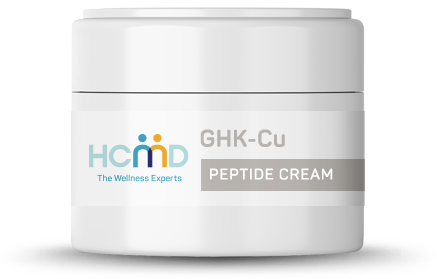
The systemic claims are the ones most likely to be hype. BuyKlowPeptide.com Gene expression changes in a cell culture are genuinely interesting to researchers. There is also a comparison that circulates online suggesting GHK-Cu performs similarly to minoxidil for hair growth.
6. Lung COPD and Acute Lung Injury
Measuring the outcomes of the longevity stack proves challenging over brief periods. Evidence based on gene expression underpins longevity claims, rather than data from long-term clinical outcomes. A copper-binding tripeptide (GHK-Cu), promotes collagen production, influences gene expression related to tissue repair and inflammation reduction, aids in wound healing, and impacts hair follicle stem cells.
The leap from “modulates anti-aging genes” to “extends healthspan in humans” is large and not yet supported by long-term clinical outcome data. GHK-Cu is sometimes added to hair-restoration protocols alongside other interventions (PRP — finasteride, minoxidil) under physician supervision. The physiological mechanism is plausible (the published research supports the indication), and the side-effect profile is favorable. Topical and injectable GHK-Cu preparations have documented effects on collagen synthesis, skin firmness, fine lines, and wound healing in published studies. Plasma levels decline with age — dropping roughly 60 percent between age 20 and age 60.
Refer to anti-aging peptides for the context of these claims within the larger category. It is commonly asserted that GHK can alter the expression of approximately one-third of human genes, guiding them towards a “younger” and healthier configuration. It’s a plausible adjunct idea, not an established treatment. Research in the laboratory indicates that GHK-Cu helps restore more typical behavior in fibroblasts that have been damaged or irradiated.
A favorable comparison over 12 weeks regarding eyebrows.
Therefore, researchers classify it as a remodelling signal instead of merely a collagen enhancer. We did not locate any journal articles on it in PubMed, including those in Dermatologic Surgery; the review referencing it also fails to report a control group or randomization. The peptide’s copper did penetrate skin samples over a high dosage period of 48 hours. For the other actives in the serum — see our PDRN evidence guide. GHK-Cu is listed among several actives without a specified concentration, appearing towards the end of the ingredient list.