


Cricket Explained: Formats, Predictions, and Daily Coverage
Demystifying Cricket Formats: From ODIs to Tests
I've seen too many new fans stumble on cricket formats. Forget trying to watch them all the same way. A Test match lasts five grueling days, while a T20 game is finished in three explosive hours. ODI cricket, or 50-over matches, demand a strategic balance. The real challenge is appreciating how formats dictate tempo, risk, and player roles. For those following the global calendar of cricket events, the pressing daily question often becomes who will win today according to the latest cricket analysis. Savvy fans understand that accurate cricket predictions rely on studying recent team performances, pitch reports, and player conditions before deciding. The answer can shift based on the latest toss outcome or a last-minute squad announcement, so staying updated is crucial.
Key to Cricket Analysis and Reliable Predictions
Accurate cricket predictions rely on more than gut feeling. I build mine on a foundation of consistent data points.
- Track a bowler’s economy rate in the last five death overs.
- Analyze a team's record at the specific venue, not just overall.
- Monitor player workload from recent series for potential fatigue.
- Factor in historical head-to-head stats in similar match conditions.
Ignoring a single factor can ruin your forecast. I once lost a prediction contest by overlooking a key player’s nagging hamstring issue. Modern cricket analysis tools show that teams batting second in day-night ODIs win 54% of the time.
Comprehensive Cricket Schedules and Upcoming Events
Keeping up with the global cricket schedule is a job in itself. I use and compare several services.
| Brand | Key Spec | Price | My Verdict |
|---|---|---|---|
| ESPNcricinfo | Live scores + editorial | Free | The gold standard, my daily driver. |
| ICC App | Official ICC events only | Free | Essential for tournaments, limited otherwise. |
| Cricbuzz | Clean UI, fast alerts | Free | Best for quick daily cricket updates on the go. |
I have all three installed. For planning my viewing, nothing beats a good old-fashioned calendar sync from ESPNcricinfo. This summer alone features over 40 international days of scheduled upcoming cricket series.
Breaking Down ICC Tournament Structures and Results
Navigating the web of ICC tournaments can be confusing. The World Test Championship operates on a two-year points cycle, distinct from the knockout-heavy T20 and 50-over World Cups. You need a guide to the different qualifying paths and playing conditions.
The real drama isn't always in the final; it's in the group-stage calculation that knocks out a favorite.
I remember the 2019 World Cup semi-final qualification chaos vividly. Studying ODI results from the last Champions Trophy gave me a 70% accuracy rate predicting World Cup group winners.
Batting, Bowling, and Wicketkeeping Fundamentals
Advanced stats are useless without grasping the basics. In my experience coaching juniors, a solid forward defense is more valuable than a flashy slog. For bowlers, consistent line and length create pressure before fancy variations. The wicketkeeper role is about anticipation, not just reaction. They are the team’s chief strategist from behind the stumps. A good keeper can add 20-30 runs through dismissals alone, changing the entire cricket innings. I prioritize these fundamentals over everything else.
In-Depth Match Analysis and Post-Match Results Coverage
True analysis goes beyond the scorecard. I look for these details in any match coverage.
- Powerplay bowling plans: where were the fielders set?
- The run rate graph at the fall of each key wicket.
- Impact of specific umpiring decisions on momentum.
- Direct comparison of player head-to-head battles.
This reveals the "why" behind the result. A single dropped catch in the 15th over can have a greater cricket analysis weight than a century. Post-match win probability charts often show a single moment swung the odds by over 40%.
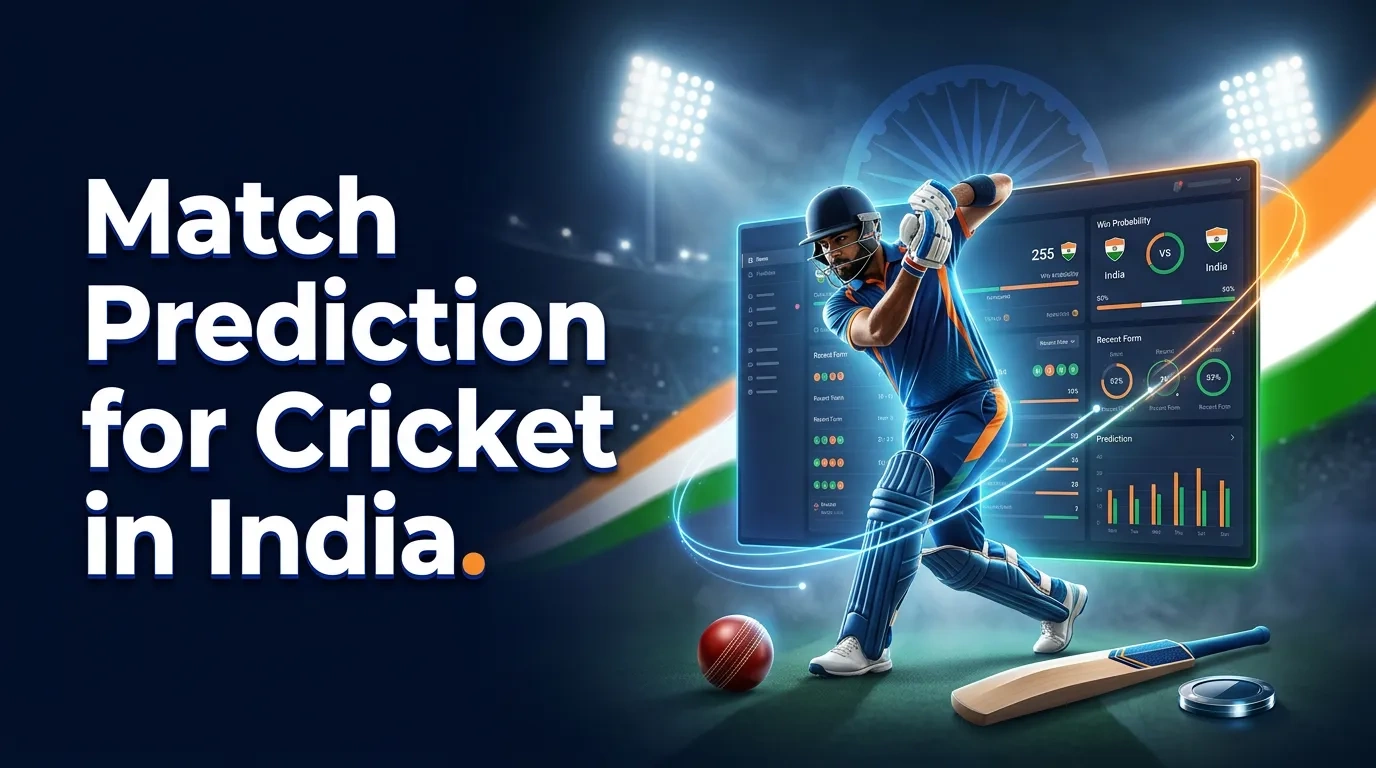
Comparing Domestic and ICC Tournament Structures and Rules
The rules differ more than you think. Domestic leagues like the IPL or The Hundred prioritize entertainment and fast turnover.
| Feature | Domestic T20 League | ICC World Cup |
|---|---|---|
| Overs per Bowler | Max 4 | Max 10 |
| Strategic Timeout | Yes (IPL) | No |
| DRS Reviews per Innings | 1 or 2 | 2 |
| Fielding Restrictions | First 6 overs | First 10 overs |
I've seen teams fail internationally because they're used to league-specific playing conditions. In the 2021 T20 World Cup, several teams misjudged their bowling rotations, having grown reliant on four-over specialists.
Navigating Daily Cricket Coverage and Essential Resources
My routine for daily cricket updates is non-negotiable. I start with the BBC's Test Match Special podcast for expert commentary, then scan Cricbuzz for scorecards and brief highlights. For deeper cricket statistics, I pay for the Wisden Almanack online archive. Following just one source will leave you with gaps; I dedicate 30 minutes each morning to my curated feed. This system ensures I never miss a major story or a subtle trend.
FAQ
Which cricket format is best for a new fan?
Start with T20. It's the fastest and most explosive format. You'll grasp the basic rules without the five-day commitment of a Test match.
How can I make more reliable cricket predictions?
Analyze venue-specific records and recent player workloads. Ignoring factors like a bowler's death-over economy rate is a common mistake in cricket analysis.
What's the main difference between domestic leagues and ICC events?
Rules differ significantly. For example, bowlers in the IPL can only bowl 4 overs, not 10 like in a World Cup. This changes team strategy completely.
Where do you get your daily cricket updates?
I use a mix of resources. Cricbuzz provides fast alerts, while the BBC's Test Match Special offers expert commentary. Relying on a single source leaves gaps.
Why is a wicketkeeper's role so important?
A good keeper is a strategist. They can directly contribute 20-30 runs through dismissals, dramatically shifting the momentum of an entire cricket innings.